2 hr
Lalbagh Botanical Garden Nature Walk & South Indian Breakfast
- Entry ticket
- Mobile voucher
- Valid same day
- Free cancellation
Lalbagh Botanical Garden — Reserved Entry & Guided Garden Walks
Two centuries of shade in stone, four hundred acres of morning light.
Compare fares, pick the fit — all bookings are mobile-voucher and eligible for free cancellation where shown.
2 hr
2 hr 30 min
8 hr
| Experience | Duration | Rating | Transfers | Guide | Small group | Free cancel. | Price | |
|---|---|---|---|---|---|---|---|---|
|
Standard Entry
Most popular
Lalbagh Botanical Garden Nature Walk & South Indian Breakfast
|
2 hr | ★ 5.0 | — | ✓ | ✓ | ✓ | €19 | Book → |
|
Guided Experience
Offbeat Bangalore Guided Walking Tour with Locals
|
2 hr 30 min | ★ 5.0 | — | ✓ | ✓ | ✓ | €14 | Book → |
|
Luxury / Private
Bangalore Private Guided Day Tour: Palaces, Parks & Culture
|
8 hr | ★ 4.9 | ✓ | ✓ | — | ✓ | €58 | Book → |
Most visitors who compare Lalbagh Botanical Garden Tickets against Cubbon Park find they serve different moods: Lalbagh rewards paid, focused botanical exploration, while Cubbon Park suits a free morning walk among heritage buildings, and the two sit close enough to combine in a single Bengaluru itinerary.
|
Top pick Lalbagh Botanical Garden |
Cubbon Park | |
|---|---|---|
| What each garden is | Curated botanical garden with glasshouse and labeled plant collections | Open city park with lawns, avenues, and colonial-era buildings |
| Entry fee | 200 INR (foreign national adult, main gate) | Free (small charges for aquarium, toy train inside) |
| Size | ~240 acres | ~300 acres |
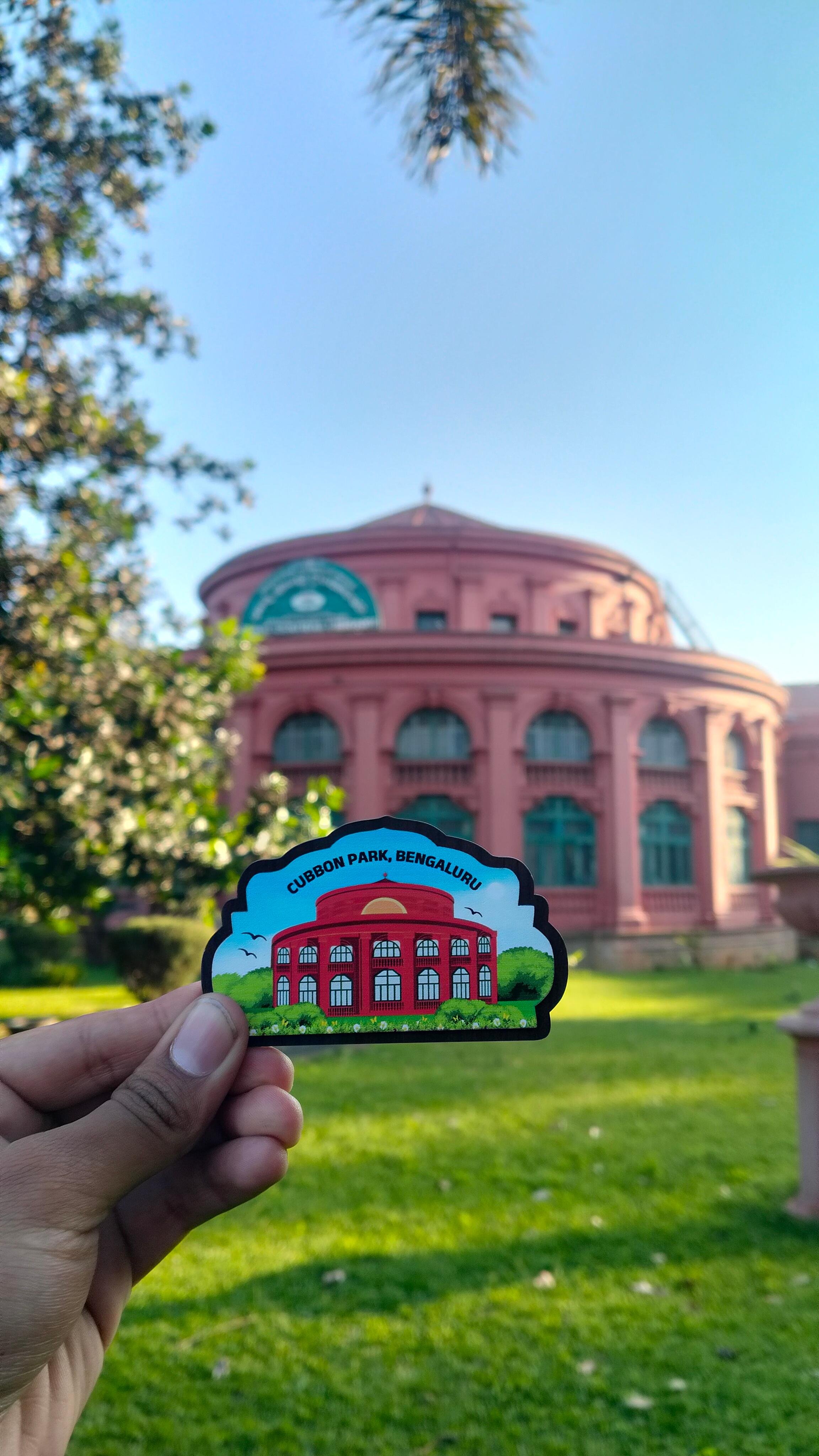
| Signature features | Glass House, lake, topiary, rock formations | Seshadri Iyer Hall, State Central Library, statues |
| Best for | Plant lovers, structured garden walks | Joggers, walkers, casual picnics |
| Photography | Formal gardens, floral color, glasshouse backdrops | Heritage architecture, tree-lined avenues |
| Typical visit length | 1.5–2.5 hours | 1–2 hours |
| How they combine in one day | Morning garden visit before midday heat | Afternoon or evening stroll nearby |
| See tickets & prices |
Verdict: Neither replaces the other: pick Lalbagh Botanical Garden Tickets for a curated plant-focused visit and Cubbon Park for a free, open-air walk, and given their short distance apart, most travelers see both in one Bengaluru day.
Hand-picked experiences loved by thousands of travelers
2 - 3 hours
Free Cancellation
Discover Bengaluru's green oasis on a guided stroll past historic colonial architecture and vibrant botanical displays.
8 hours
Free Cancellation
Discover Bangalore's royal palaces, sacred temples, and historic gardens on a private 8-hour guided excursion.
4 - 8 hours
Free Cancellation
Explore Bengaluru's royal palaces, lush botanical gardens, and vibrant markets on a private guided day tour.
3 hours
Free Cancellation
Discover Bengaluru's historic gardens at twilight before tasting over 12 authentic South and North Indian street delicacies.
2 hours
Free Cancellation
Explore Bangalore's historic Lalbagh Botanical Garden with an expert guide on a scenic 2-hour walking tour.
Buy Lalbagh Botanical Garden Tickets at the counter and pick up a garden map near the entrance
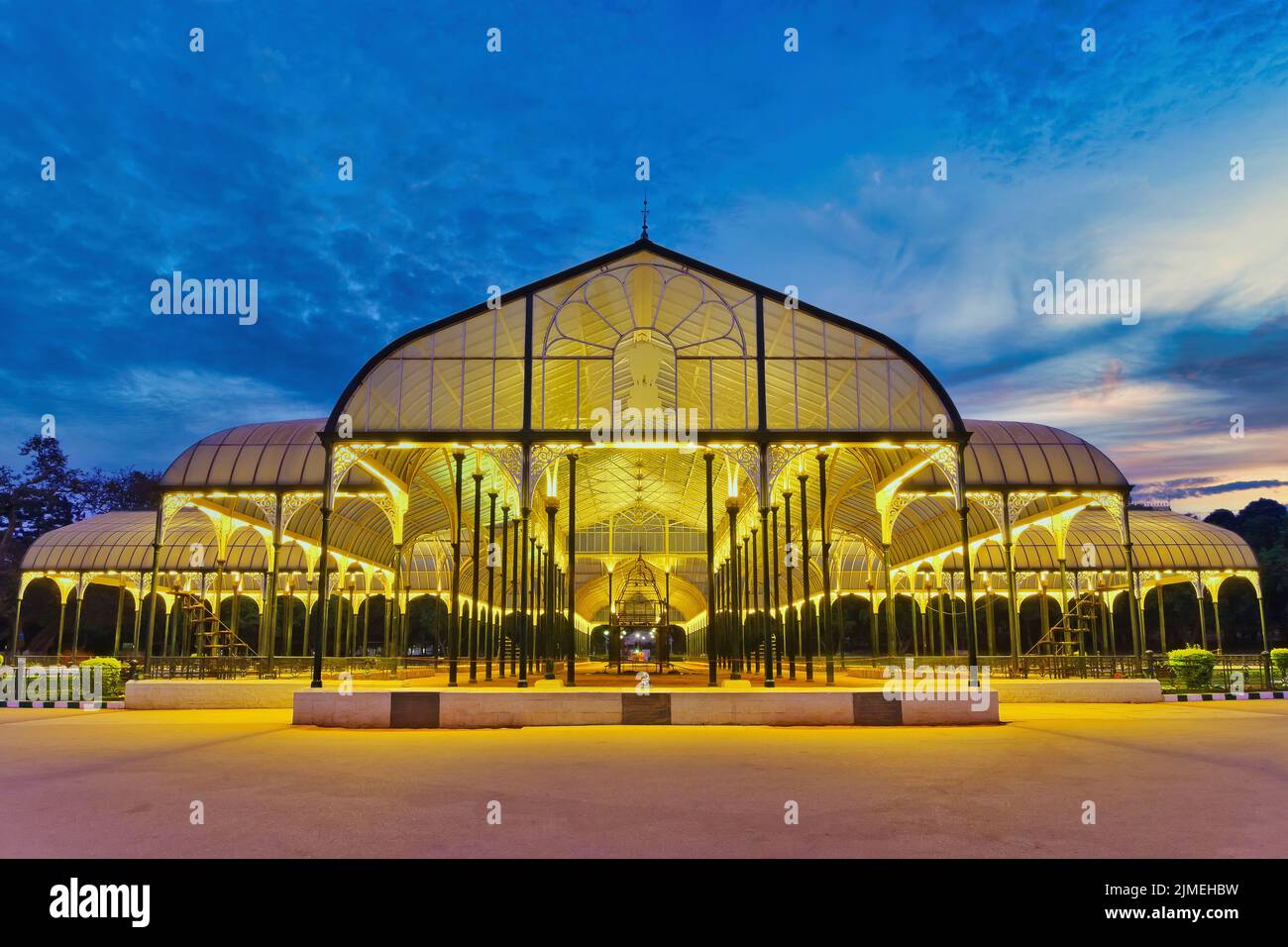
Walk the Victorian-style Glass House exterior and adjoining lawns where flower shows are staged
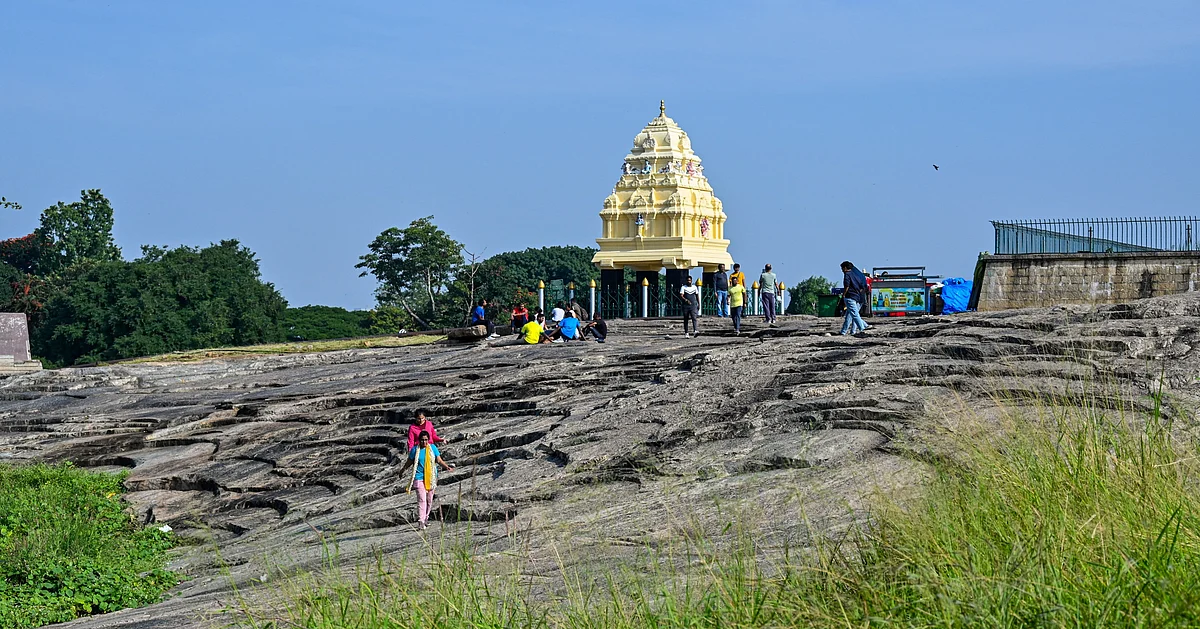
Climb the ancient rock outcrop for an elevated view over the garden canopy
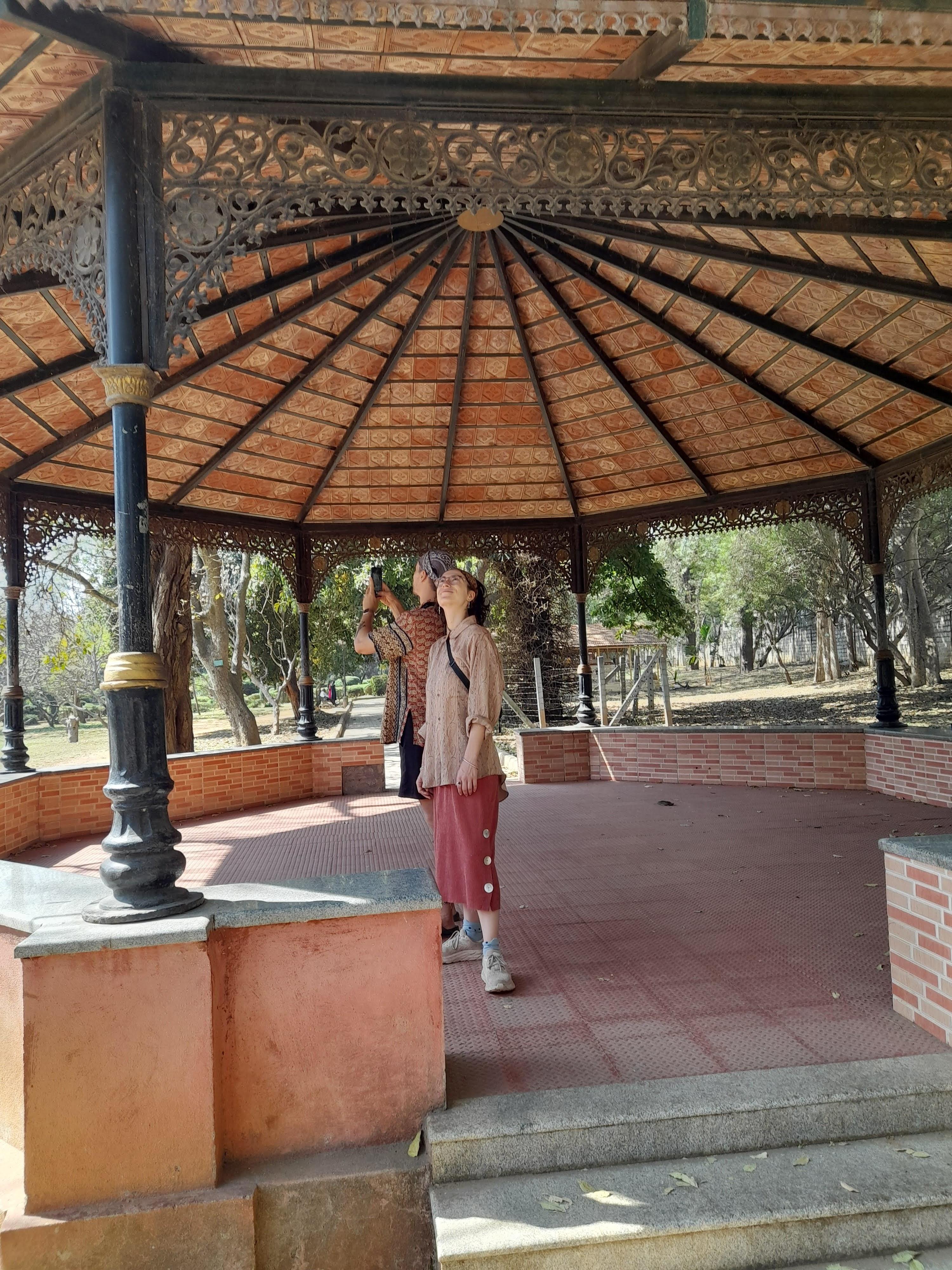
Follow the paved path around Lalbagh Lake past the fountain and old bandstand
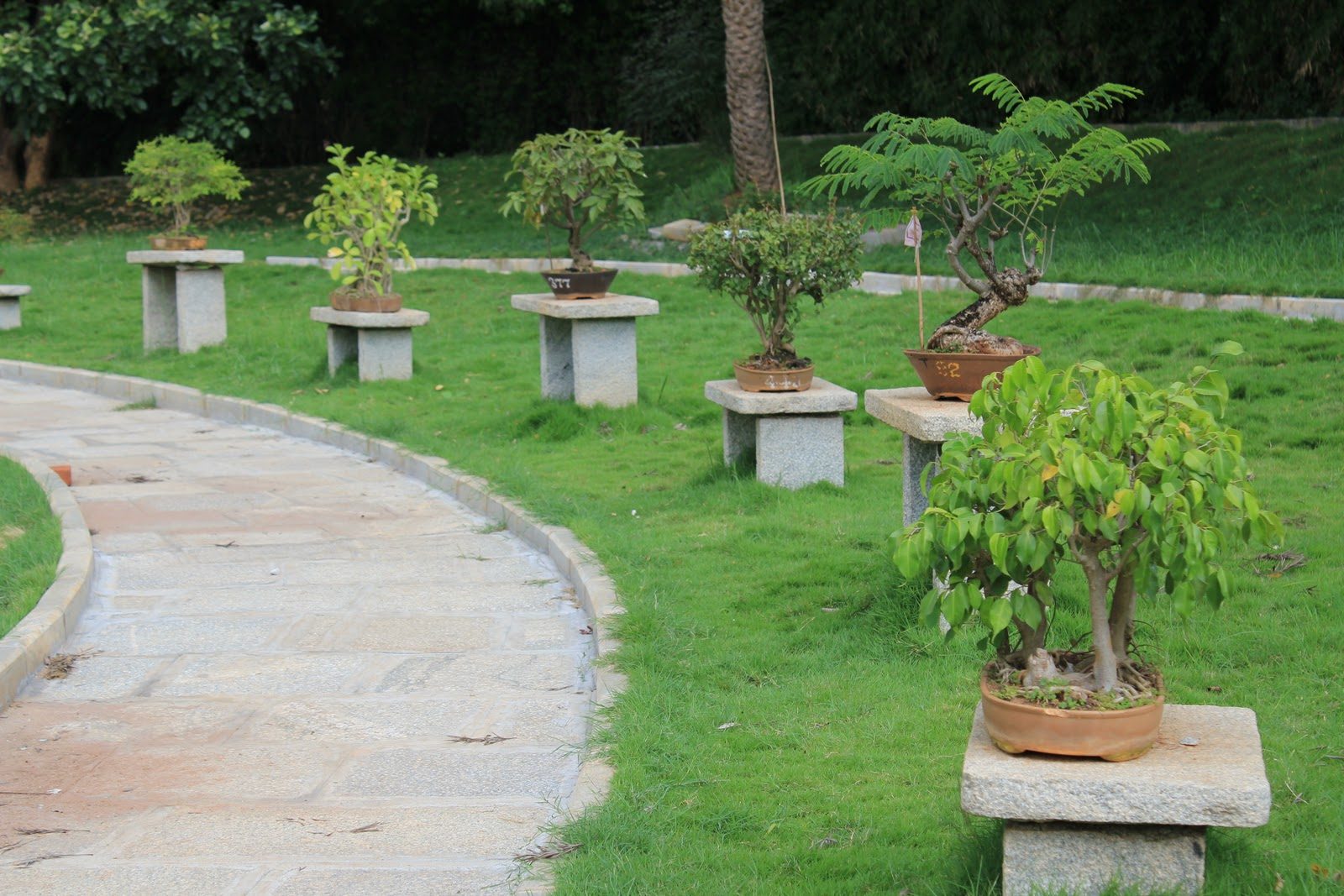
Browse the dwarfed tree collection and succulent displays in the dedicated garden sections
Head to the metro station near West Gate or arrange a taxi pickup at Main Gate
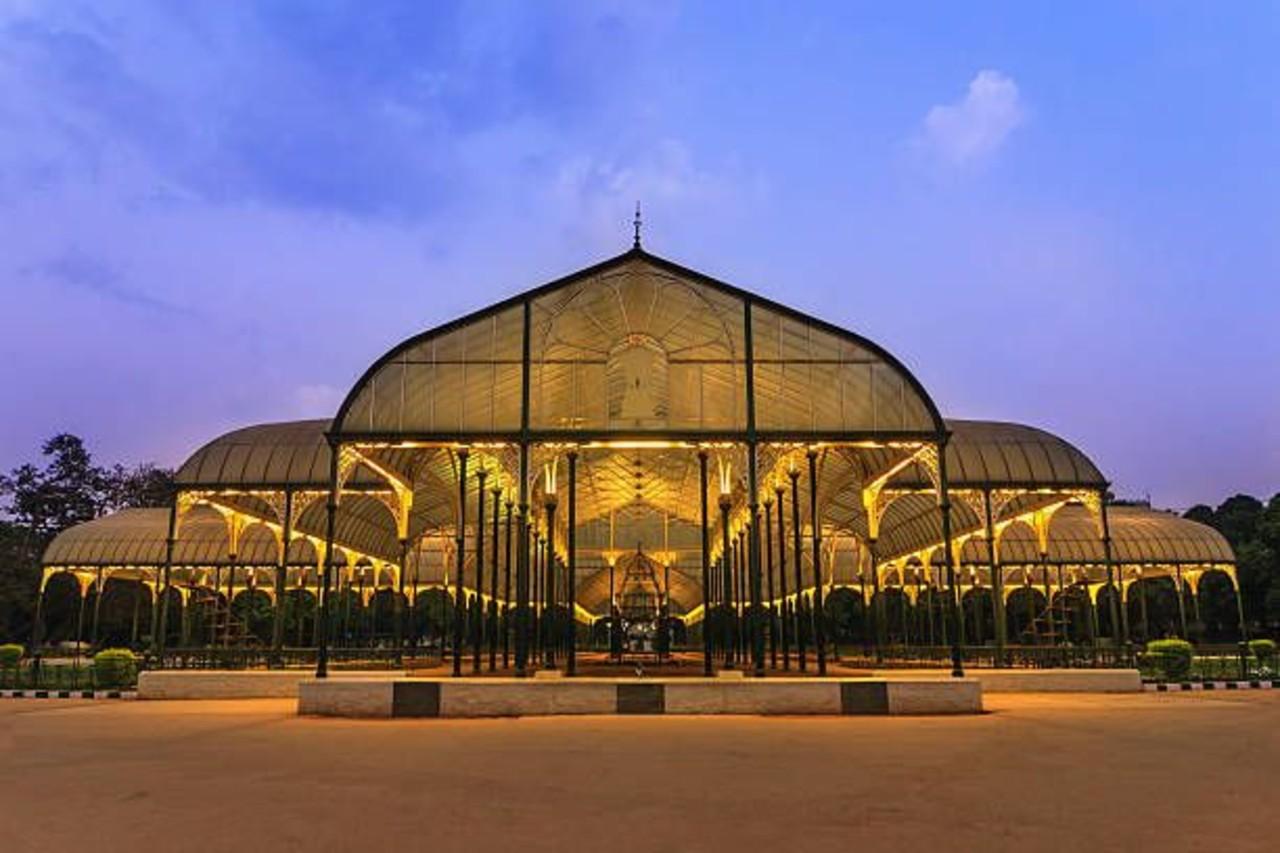
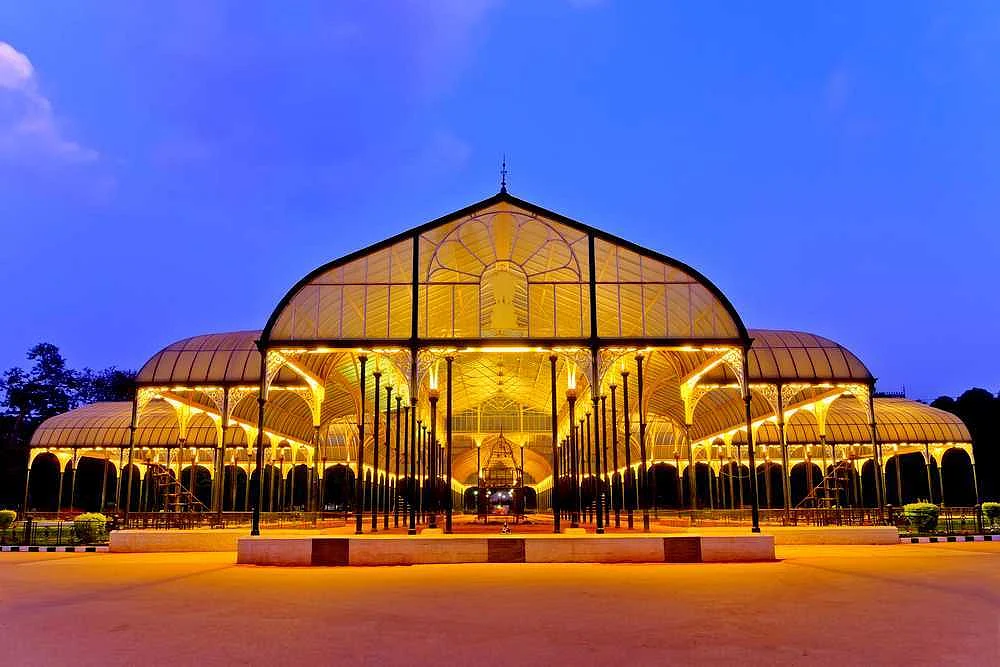
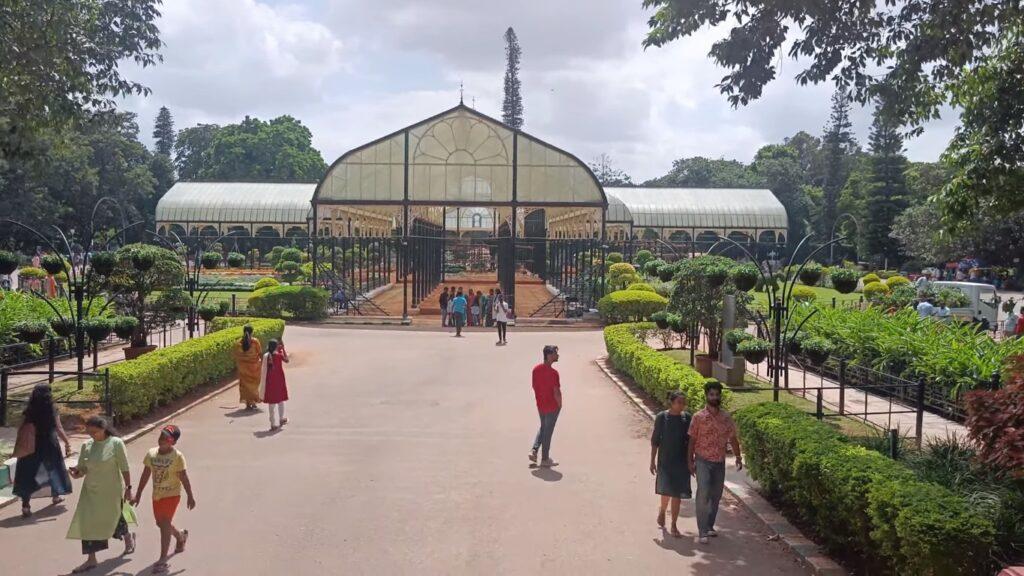
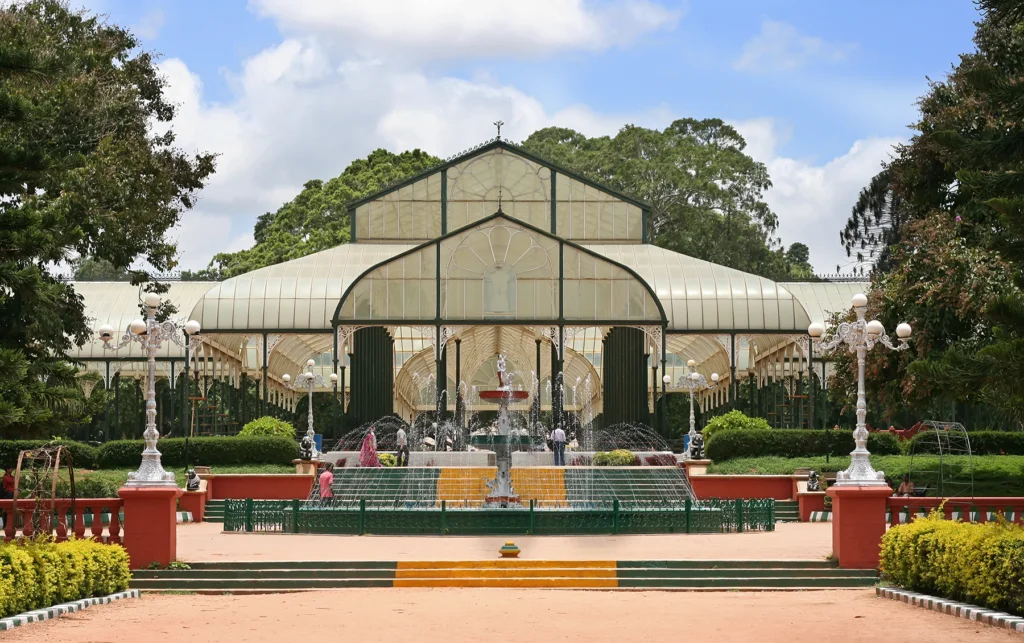
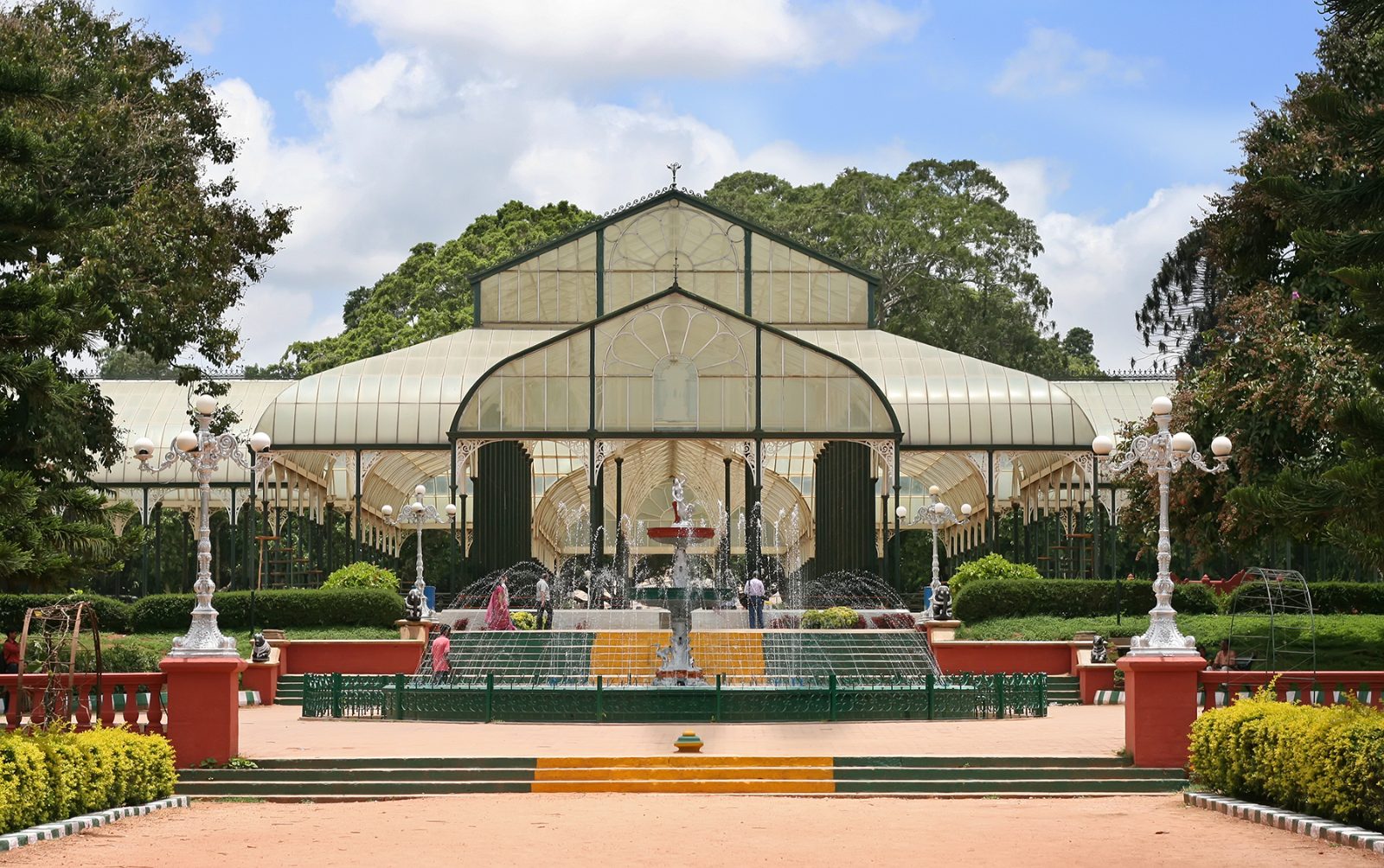
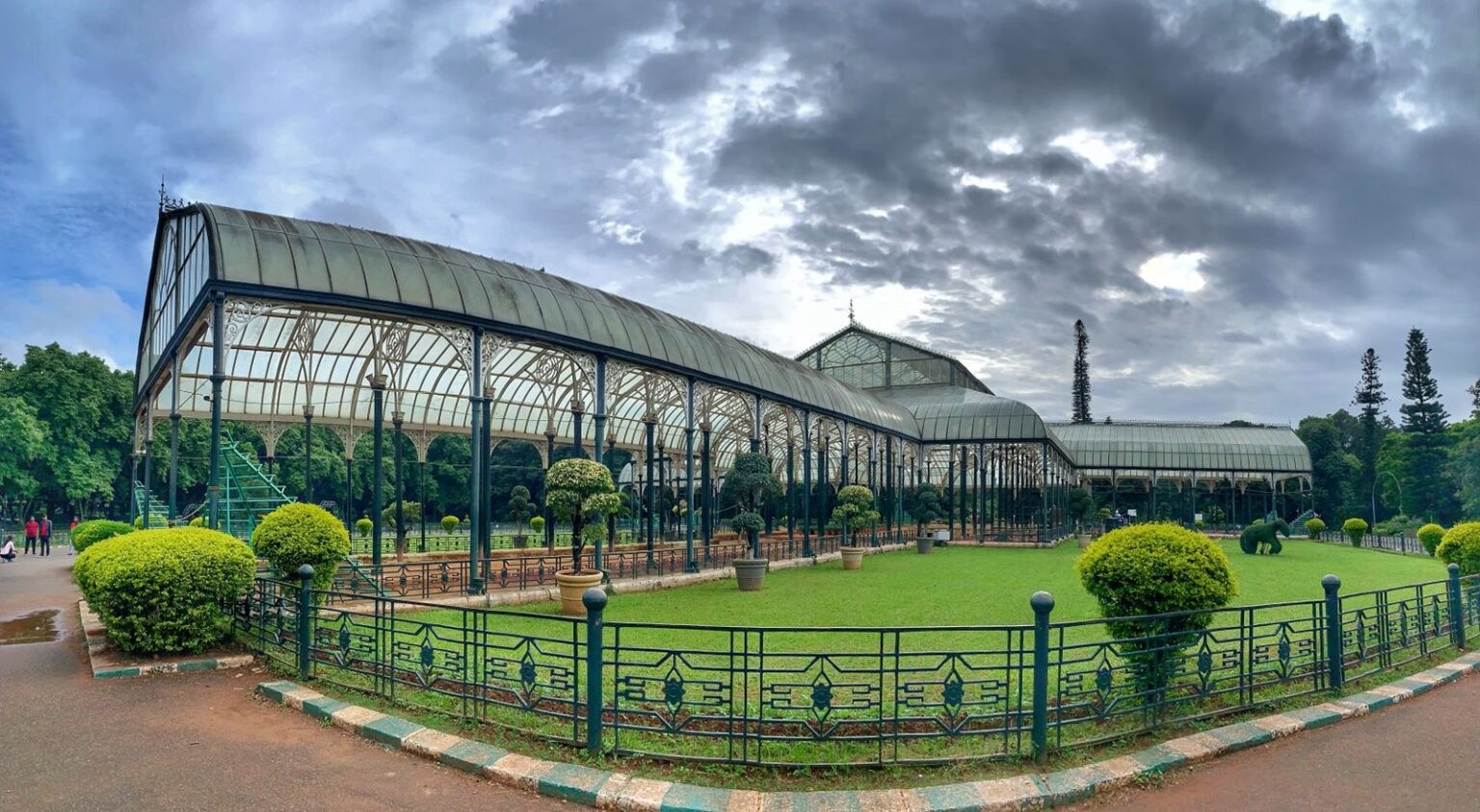
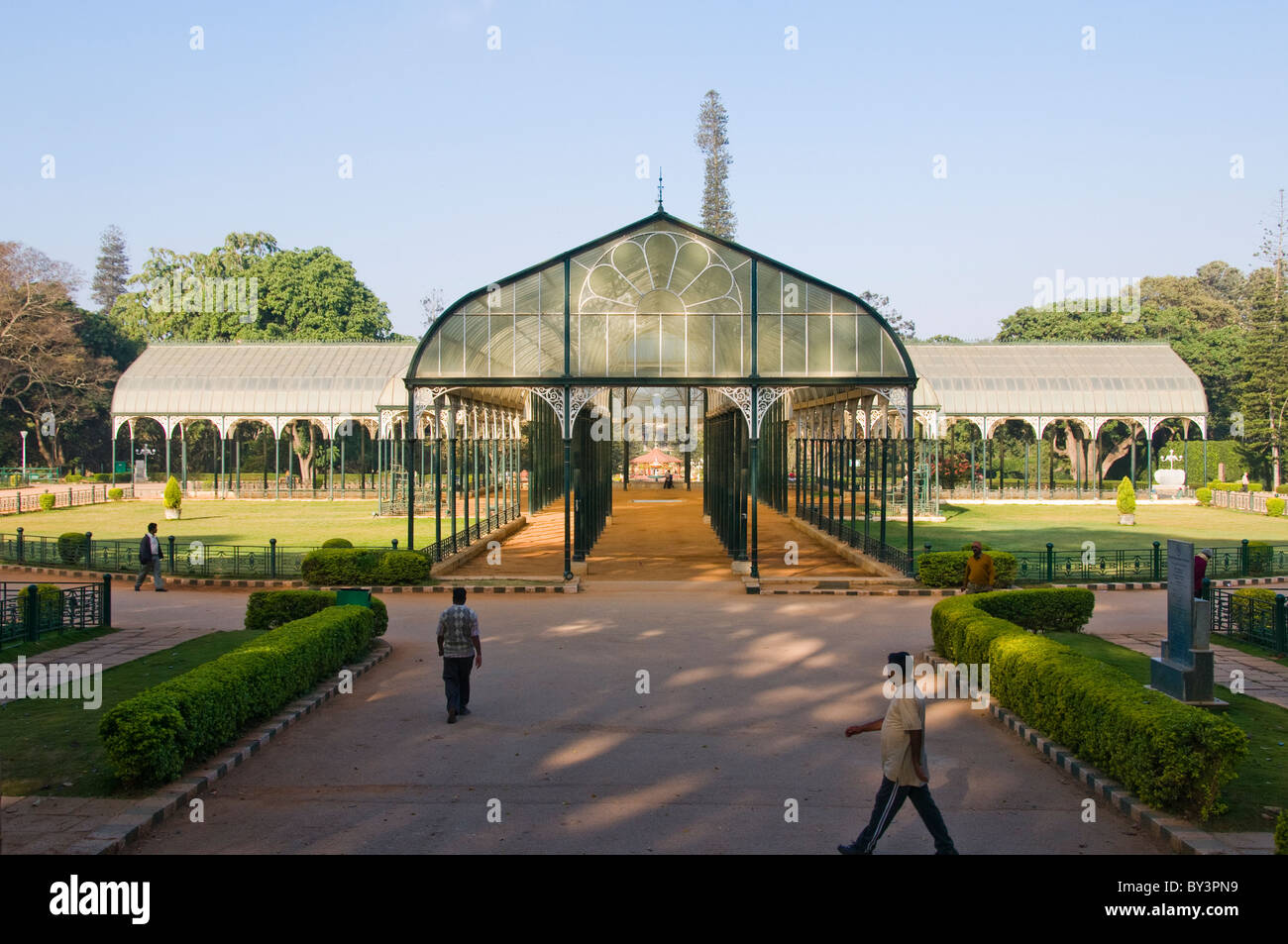
A Victorian-style greenhouse modeled on London's Crystal Palace, built in 1889 to host the Prince of Wales' visit and now the venue for Lalbagh's twice-yearly flower shows. Its structure spans a large central hall that can display thousands of potted flowering plants at once during show weeks.
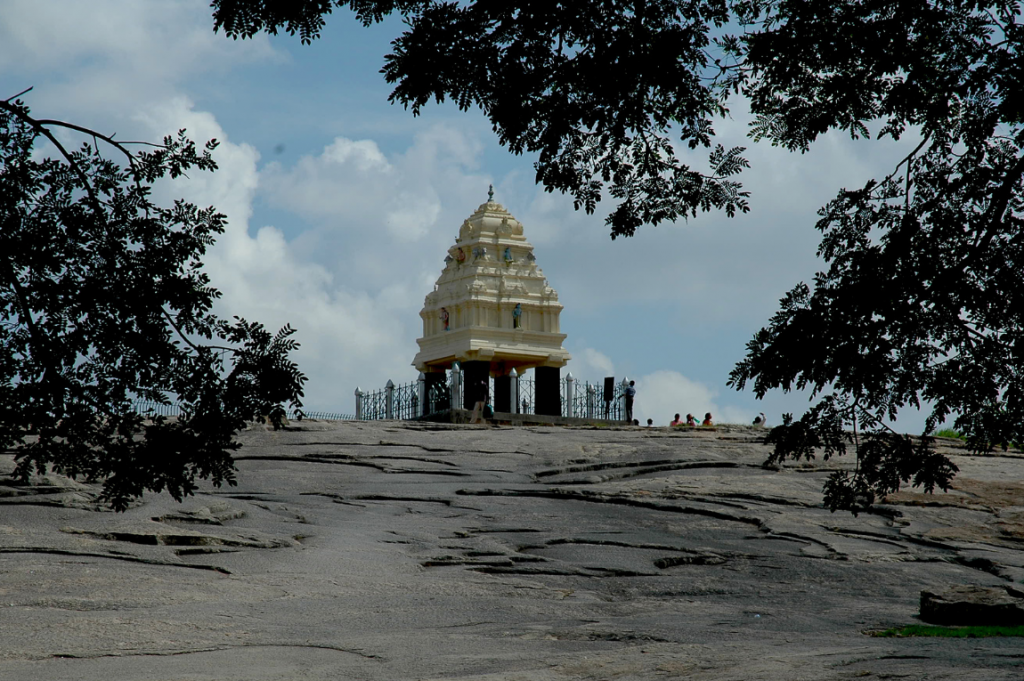
A geological outcrop estimated among the oldest exposed rock formations in the region, rising as a granite hill near the garden's center. Visitors climb a short path to its summit for a panoramic view over the tree canopy and city skyline beyond.
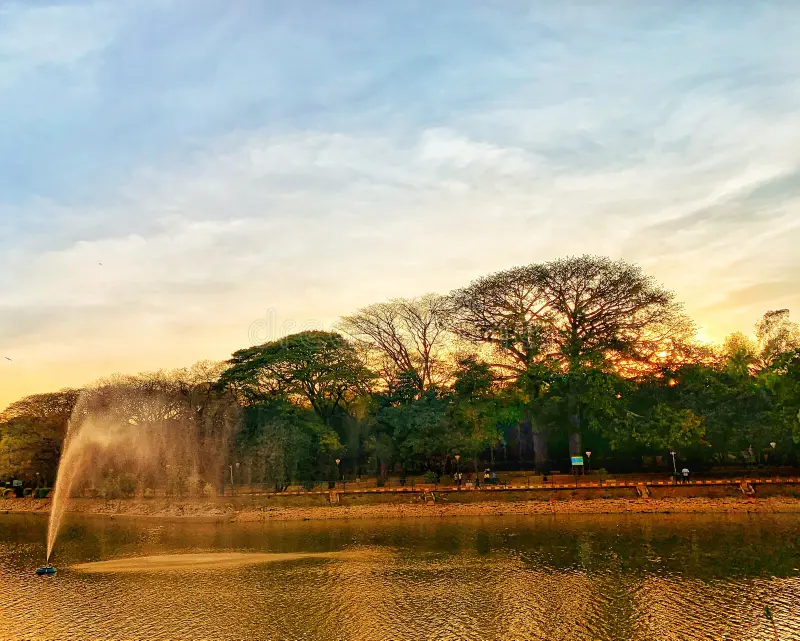
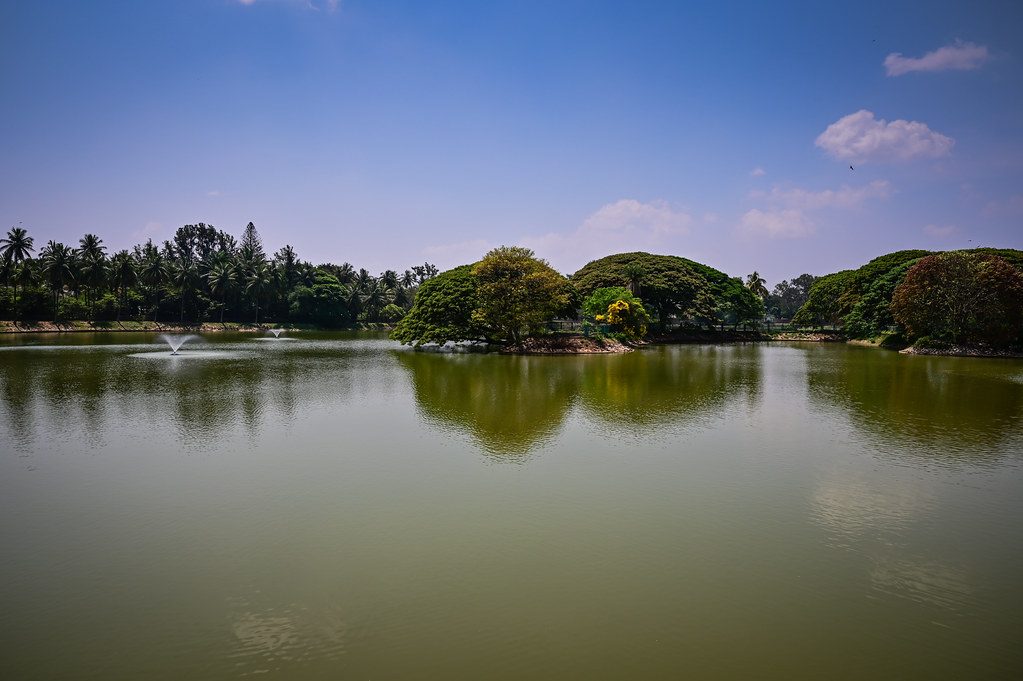
A constructed lake with a walking path, small bridge, and an old fountain, originally developed to support irrigation for the garden's plant collections. The lake's edge is a popular spot for birdwatchers, with dozens of resident and migratory species recorded nearby.
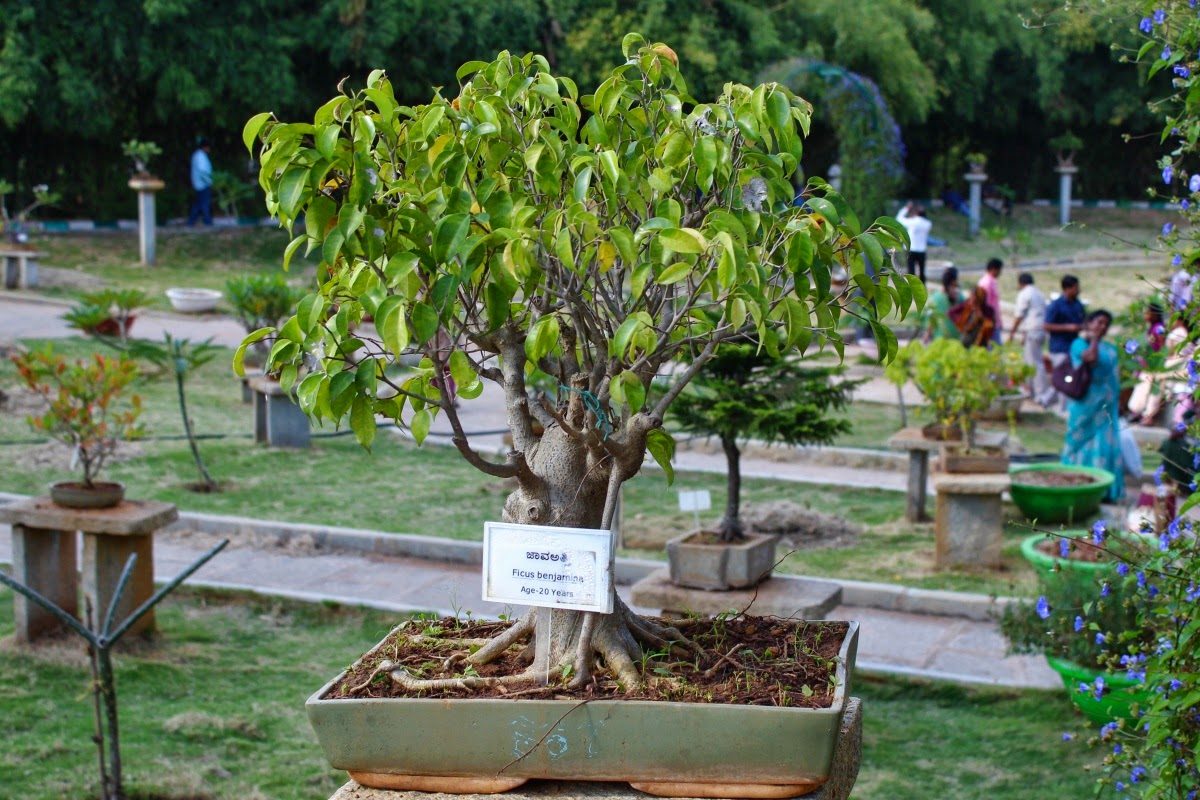
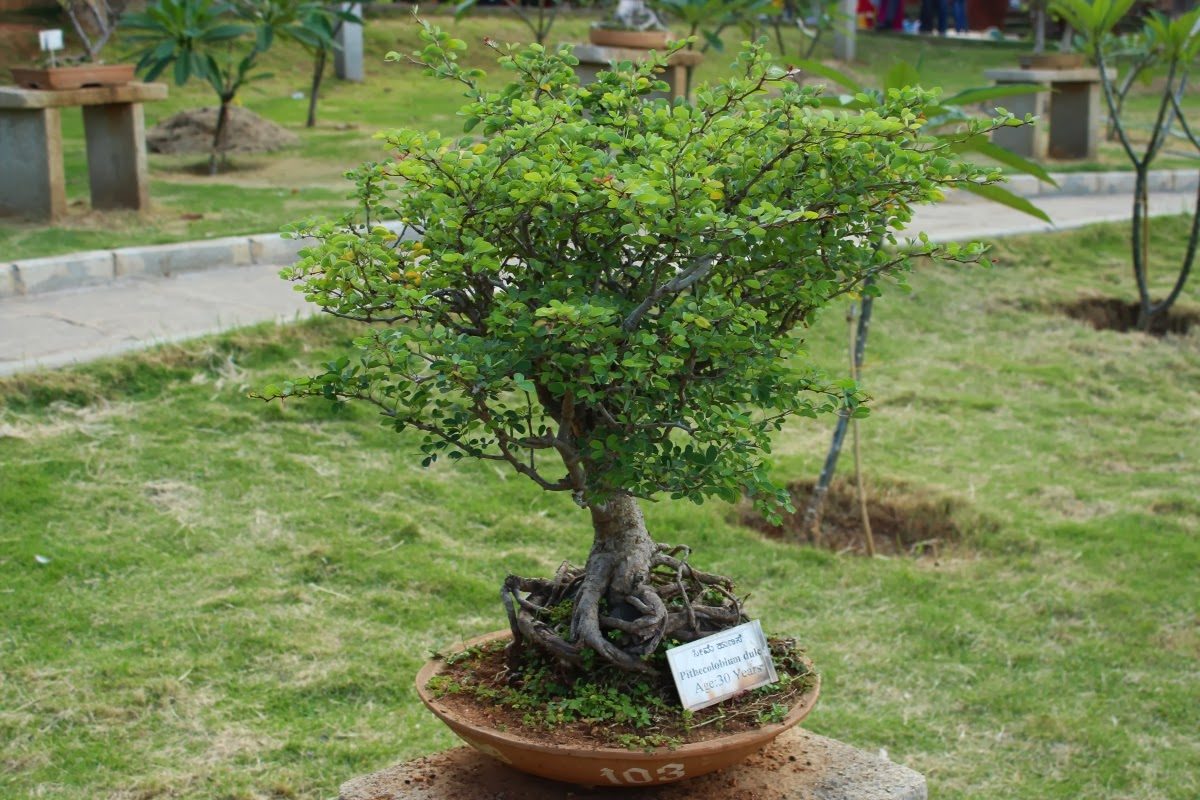
A dedicated section housing a curated collection of dwarfed trees shaped over decades using traditional bonsai pruning and wiring techniques. Some specimens in the collection are reported to be several decades old, trained into miniature replicas of full-grown trees.
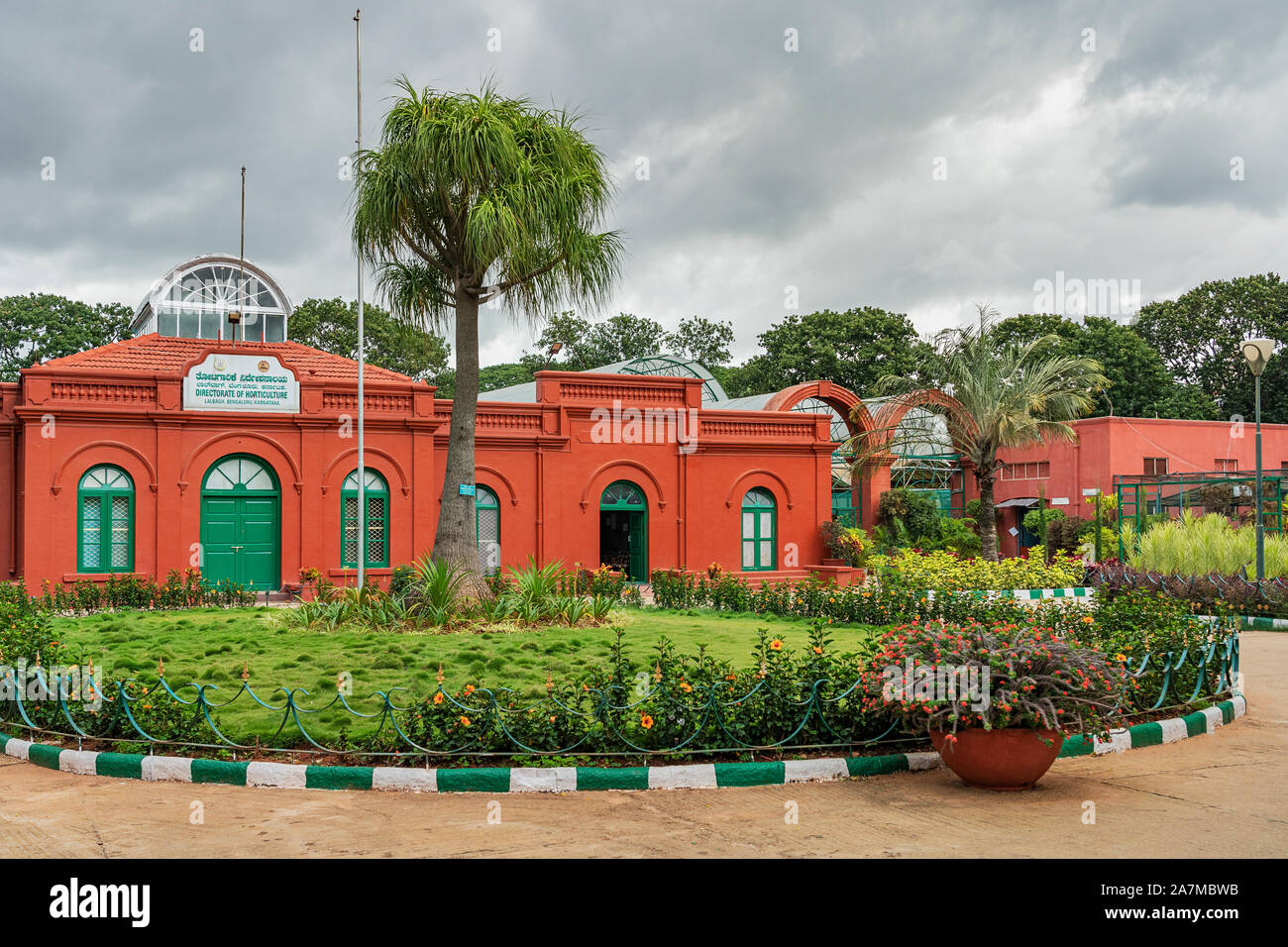
A colonial-era administrative building within the garden grounds that now houses the horticulture department managing Lalbagh's operations. Its architecture reflects the same 18th-19th century design influences seen across the garden's original layout.
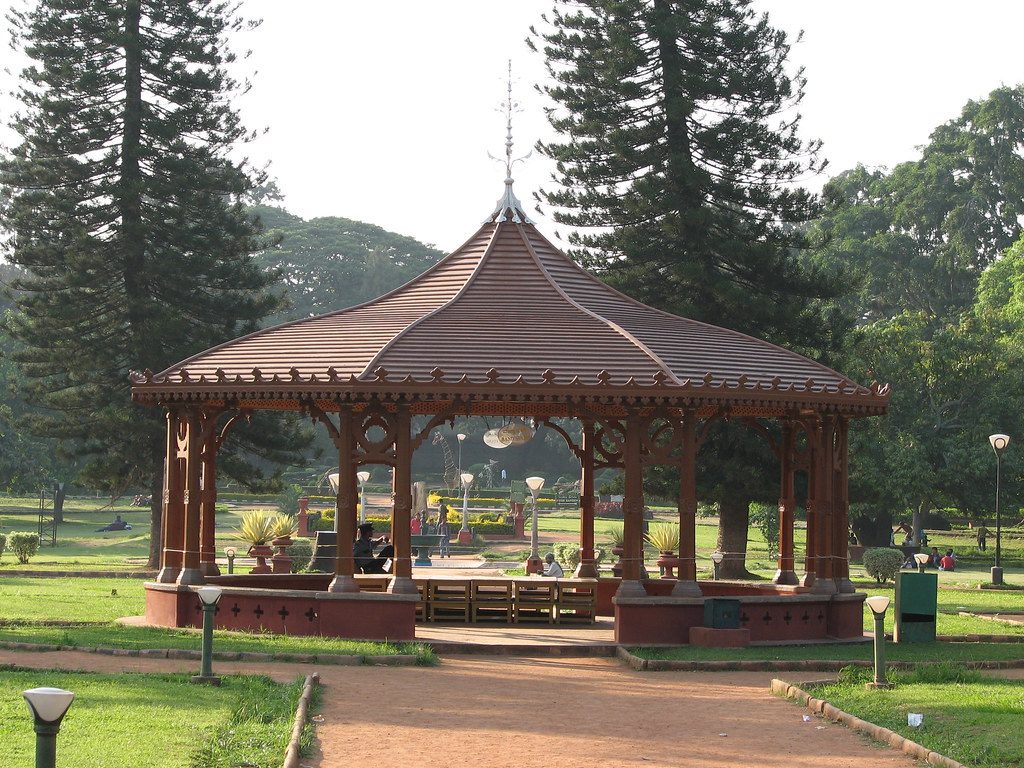
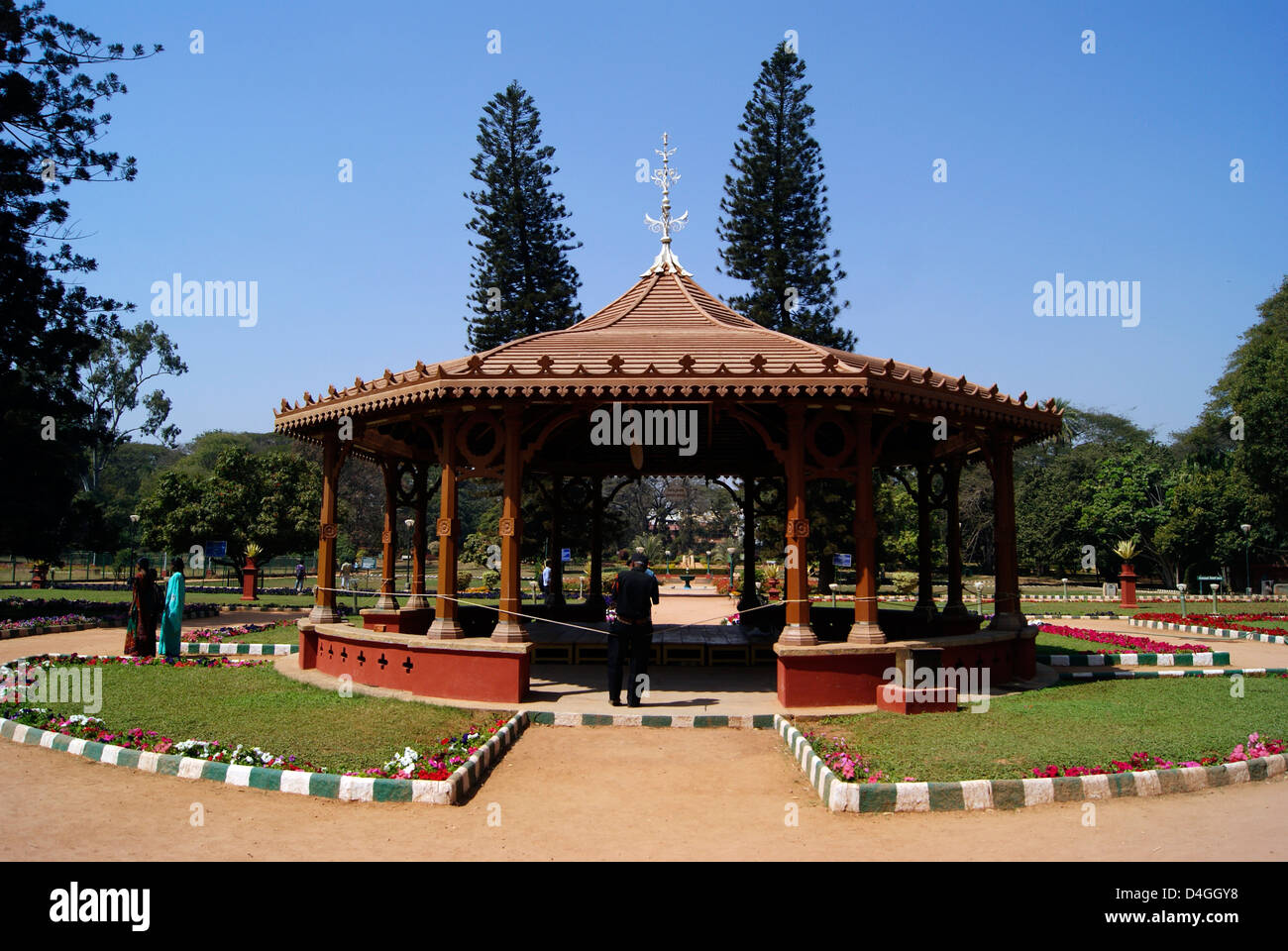
A historic open-air bandstand structure near the lake, dating to the colonial period when musical performances were held for garden visitors. It remains a recognizable architectural landmark along the lakeside walking path.
You enter through the Lalbagh Main Gate on Lalbagh Road, where the tarmac gives way to red earth and the traffic noise drops by half within forty paces. Arriving between 09:00 and 11:00, you find the free-walker crowds thinning and the temperature still manageable.
Your Lalbagh Botanical Garden Tickets are scanned at the counter; the queue moves.
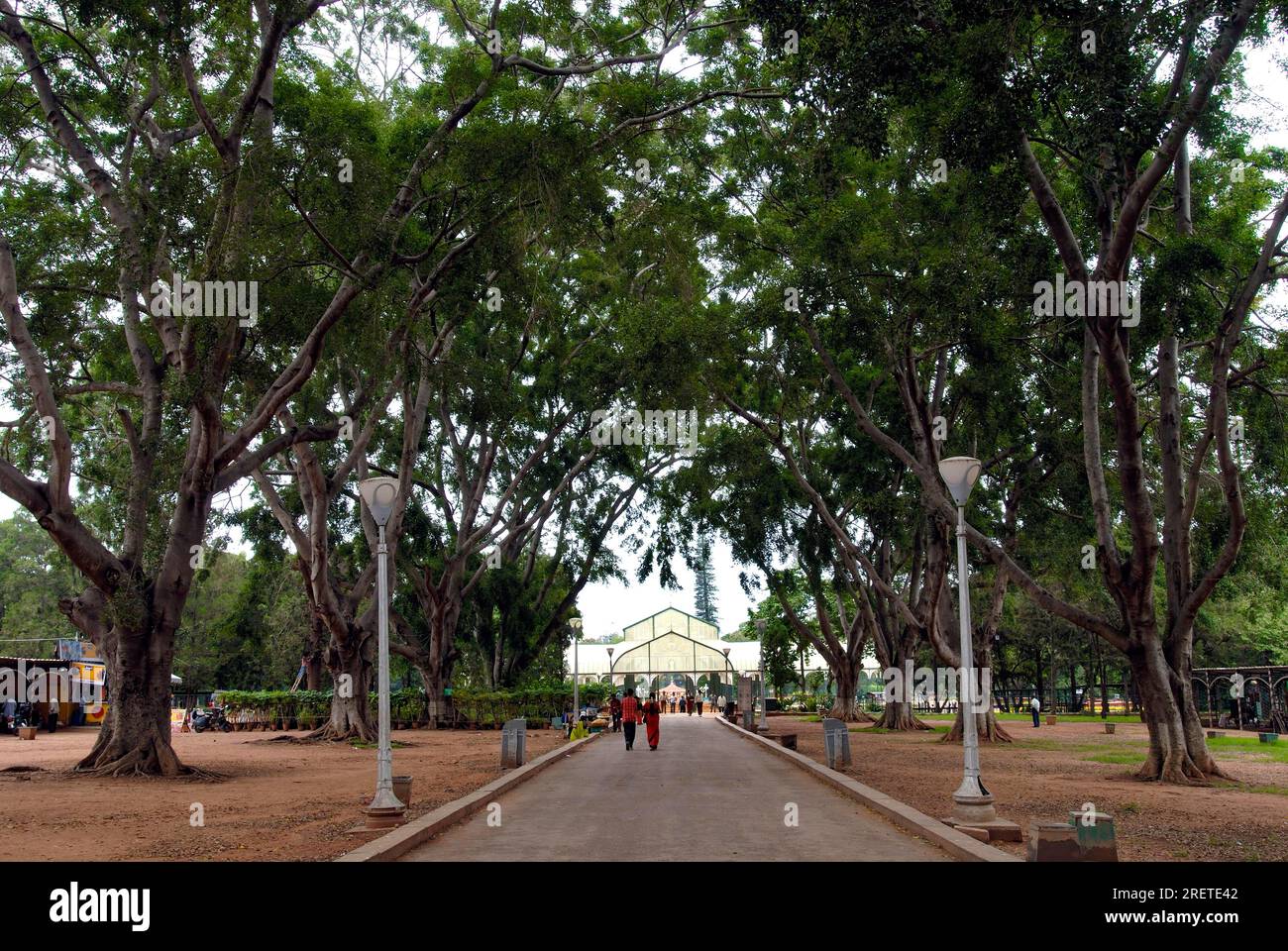
You take the central avenue first. Rain trees close overhead. You pass the bandstand, then bear left toward the Glass House, where the iron frame throws a grid of shadow across the floor and the air smells of wet soil and cut stem. You circle the interior once, then step out and climb the rock — roughly eighty metres of gentle gneiss, worn smooth by two centuries of feet — to the Kempegowda watchtower at the summit. The city stacks up on every horizon.
Down again, you follow the western path to the lake. Cormorants sit on the dead branches. You count four pelicans, then stop counting. The bonsai collection sits behind a low fence to your right; the Japanese garden waits further on. By the time you loop back toward the gate, you have walked perhaps four kilometres and seen maybe a third of the grounds. The rest keeps.
All the details about your upcoming adventure in one place
Spread across 240 acres in south Bengaluru, this garden holds the Glass House modelled on London's Crystal Palace, a 3,000-million-year-old peninsular gneiss rock outcrop, and a lake fringed by silver oak and mahogany. Lalbagh Botanical Garden Tickets tours pair entry with a naturalist who reads the plant labels aloud and points out the Kempegowda watchtower on the hill. Booking online means arriving at the West Gate turnstile without queuing at the counter.
The rock at the centre of Lalbagh is roughly three billion years old — one of the oldest exposed peninsular gneiss formations on the planet, and older than the garden around it by a margin no arithmetic makes comfortable.
Hyder Ali laid out the first grounds in the 1760s; his son Tipu Sultan expanded them, importing cypress and sandalwood from Persia, Afghanistan and Kabul. British superintendents later widened the plan into a working botanical station. Those three sentences carry the founding story; the more interesting question is what the garden became.
It became a laboratory. For much of the nineteenth and twentieth centuries, Lalbagh functioned as the acclimatisation ground for species entering southern India — the point at which a seedling from Brazil or Madagascar was tested against Deccan soil before release into the wider plateau. Much of what shades Bengaluru's streets today passed through here first. The garden holds close to 1,850 species across roughly 240 acres, including a Ficus that predates the Republic and a stand of Araucaria that reads, from the lake path, like a row of masts.
The architecture answers the botany. The Glass House, raised in 1889 and modelled on London's Crystal Palace, is the garden's structural argument: iron ribs, glazed panels, a nave-like span built for display rather than shelter. It has hosted the biannual flower show since the 1890s and remains the most photographed structure in the grounds. Above it stands one of the four watchtowers Kempegowda II raised in the 1590s to mark the outer limits of a much smaller city — an accidental measure of how far Bengaluru has since travelled. Visitors comparing Lalbagh Botanical Garden Tickets often assume the appeal is horticultural alone; the site is equally a record of civic ambition, layered by Mysore rulers, colonial botanists and municipal administrators in turn.
Why it still matters is a question of air. Bengaluru has lost tree cover at a rate that makes 240 contiguous acres of canopy a public utility rather than an ornament. The lake at the southern end draws pelicans and cormorants; the rock draws geologists; the bandstand draws everyone else. Most Lalbagh Botanical Garden Tickets tours are built around the Glass House and the tower, though the lesser paths — the bonsai garden, the topiary park, the Japanese garden — reward anyone willing to leave the central avenue. The garden opens at 06:00 daily and closes at 19:00, and the difference between those two hours is essentially the difference between a working park and a monument. Lalbagh remains both, without apology, in the middle of a city that has otherwise stopped standing still.

The rock at the centre of Lalbagh is older than the garden around it by a margin no arithmetic makes comfortable.
Casual, comfortable walking clothes and closed shoes are recommended given the uneven gravel paths and 240-acre grounds. There is no formal dress code enforced at the Main Gate, though modest clothing is customary as families and school groups frequent the garden.
Bags are subject to a visual check at Lalbagh Main Gate, especially during flower show periods when footfall spikes. Backpacks and handbags are permitted; there is no cloakroom or locker facility, so valuables should stay with the visitor at all times.
Personal photography with phones and handheld cameras is free and unrestricted throughout the garden, including around the Glass House and Lalbagh Rock. Tripods, professional shoots, and commercial or wedding photography require prior written permission from the horticulture department, and drones are prohibited without special aviation clearance.
Children move freely along the lakeside paths and lawns, and school groups in uniform receive free entry during flower show periods. Basic restroom facilities are available near the Main Gate and West Gate.
The main avenues near the Main Gate, Lalbagh Lake, and Glass House are paved and manageable for wheelchairs and strollers, though several interior trails around the Rock and Bonsai Garden are uneven or graveled. Accessible restrooms exist near the larger gates, but ramped access is inconsistent across the 240-acre grounds.
Outside food and drink may be carried in for personal consumption, and refreshment stalls operate near the Glass House and major gates for snacks and juice. Alcohol and glass containers are not permitted anywhere on the grounds.
Free walker entry 06:00–09:00
Quietest weekday morning
Busier from mid-morning
Busiest day, family crowds
Open daily 06:00–19:00, gates close 19:00
location
Opening hours
06:00 – 19:00
Getting there
City-center access via metro and bus
Accessibility
Most experiences are wheelchair-friendly — check individual tours
What to bring
Comfortable shoes, water, phone for mobile voucher
Public transport · 10–20 min from central Bengaluru · Metro fare approx 20–40 INR
Take the Green Line of Namma Metro to Lalbagh Metro Station, a short walk from the West Gate, or use BMTC buses that stop near the Main Gate on Lalbagh Road.
Car · 20–40 min depending on traffic · Parking approx 20–50 INR
Drive via KH Road or Hosur Road; paid parking is available near the Main Gate and Double Road gate, though it fills up quickly during flower show weeks.
Walk · 10–20 min from nearby neighborhoods · Free
Lalbagh sits close to Basavanagudi and Jayanagar, so visitors staying nearby can walk to the West Gate or Main Gate in under 20 minutes.
Taxi · 15–30 min from most city areas · Approx 100–250 INR
App-based cabs and autorickshaws drop off directly at the Main Gate or Double Road gate, avoiding parking hassles entirely.
Lalbagh Botanical Garden Tickets are sold as walk-up entry passes at the gate counters, so there is no advance booking or refund process tied to a reservation. The 200 INR foreign national adult fee is collected at entry and is non-refundable once the ticket is issued.
Recommended time
2-3 hours
A focused walk through Lalbagh Botanical Garden Tickets covers the Glass House, rose garden, lake, and floral clock in roughly 2 to 3 hours, while a full exploration of the wider grounds and rock formations can stretch toward half a day. Before 09:00, entry is free for morning walkers, but that window skips the ticketed sections and paid amenities; once the 09:00-19:00 paid hours begin, gate lines form at the main entrance and move fastest right after opening. Add 30-45 minutes if you plan to linger at the aquarium or watch tower, and subtract time if you're only after a quick skip-the-line Lalbagh Botanical Garden tour of the central path. Queues stay short in the 09:00-11:00 window and lengthen noticeably by midday and again in late afternoon.
Crowd levels through the day
Weather · crowds · average price — dots go green to amber to red as each metric rises.
Cool mornings around 15–22°C make this the most comfortable season, and the Republic Day flower show runs mid-January drawing large weekend crowds. Weekday visits during this window are noticeably quieter.
Daytime temperatures climb to 30–35°C, so early morning or early evening visits are more comfortable than midday. Shade under the older tree canopy still offers relief on hot afternoons.
Regular rain showers keep the garden lush and green with fewer tourists, though paths near the lake can turn muddy after heavy downpours. Independence Day flower show in mid-August draws crowds despite the weather.
Mild temperatures and clearer skies make this a comfortable shoulder season with moderate footfall on weekdays. Festive holidays around Diwali can bring brief crowd spikes.
The 06:00–09:00 slot is reserved for walkers without ticket checks; arriving between 09:00–11:00 balances cooler weather with a proper ticketed entry and fewer crowds than midday.
Gate counters sell printed Lalbagh Botanical Garden Tickets on the spot, so having exact change for the 200 INR foreign national fee speeds up entry.
The West Gate is closest to Lalbagh Metro Station, while the Main Gate on Lalbagh Road is best for taxi drop-offs and the primary ticket counter.
The Republic Day and Independence Day flower shows draw the heaviest crowds; visiting on a non-show weekday keeps the Glass House area walkable.
Lalbagh Rock's granite surface can be uneven and slippery after rain, so sturdy shoes help on the short climb to the viewpoint.
Some gates spot-check tickets near the Glass House during flower shows, so holding onto the stub through the visit avoids delays.
The garden office at +91-8026578184 can confirm current entry procedures for larger school or tour groups before arrival.
Lalbagh Road, Mavalli, Bengaluru, Karnataka 560004
Primary ticket counter and taxi drop-off point
Get directions
Siddapura side, near Lalbagh Metro Station
Closest gate to the Green Line metro exit
Get directions
Central garden, near the lake
Common photo meeting point during flower shows
Get directionsIn 1760, Hyder Ali commissioned a walled pleasure garden on forty acres south of Bangalore Fort. He modelled it on the Mughal charbagh, with cypress avenues and channelled water. The name Lal Bagh, the red garden, is generally traced to the roses planted within it. His son Tipu Sultan completed the work and enlarged the collection, dispatching agents to Kabul, Persia, Mauritius and Turkey for saplings. Visitors who reserve Lalbagh Botanical Garden Tickets today walk ground first laid out as a sultan's private orchard, not a public park. After Tipu's death at Srirangapatna in 1799, the garden passed into East India Company hands and slid into neglect. Its revival came in 1856, when the Mysore government placed it under the Agri-Horticultural Society and formally opened it to the public. A succession of British superintendents remade it as a scientific institution. William New arrived in 1858; John Cameron, superintendent from 1874 to 1908, expanded the grounds to some 188 acres and built the herbarium and the lake. Gustav Hermann Krumbiegel, appointed in 1908, catalogued the tree collection and shaped much of the layout that Bengaluru landmarks enthusiasts still recognise. Under his direction the garden became a nursery for the city's street plantings. The Glass House, raised in 1889 to mark the visit of the Prince of Wales, remains the defining structure. Its iron frame was cast in Glasgow and modelled on London's Crystal Palace; it was extended in 1935. From 1912 the biannual flower show was held beneath it, a tradition unbroken except during wartime and the 2020 pandemic closures. Older survivals sit nearby: the Kempegowda watchtower on the peninsular gneiss outcrop, dated by geologists to roughly three thousand million years and declared a National Geological Monument in 1975. Guided Lalbagh Botanical Garden Tickets tours generally begin at that rock. The lake, the bandstand of 1890, the Lecture Hall and Krumbiegel's silk cotton and mahogany specimens all endure. A Lalbagh Botanical Garden Tickets tour of the older quarters shows how little the eastern axis has shifted, and Lalbagh Botanical Garden Tickets tickets still admit visitors through Cameron's original gates.
Hyder Ali commissions the walled Mughal-style garden on roughly forty acres south of Bangalore Fort.
Tipu Sultan completes and enlarges the garden, importing saplings from Kabul, Persia, Mauritius and Turkey.
The Mysore government places the garden under the Agri-Horticultural Society and opens it to the public.
Superintendent John Cameron expands the grounds to about 188 acres and establishes the herbarium and lake.
The Glass House is erected with a Glasgow-cast iron frame to mark the visit of the Prince of Wales.
Gustav Hermann Krumbiegel becomes superintendent and catalogues the tree collection.
The biannual flower show begins beneath the Glass House.
The peninsular gneiss outcrop bearing the Kempegowda tower is declared a National Geological Monument.
The iron-and-glass Victorian structure, modeled on London's Crystal Palace, reads best from across the front lawn where the full facade and dome fit in one frame. Shots from the side steps catch the ironwork detail against the sky. Booking Lalbagh Botanical Garden Tickets ahead helps you reach this spot before tour groups fill the lawn.
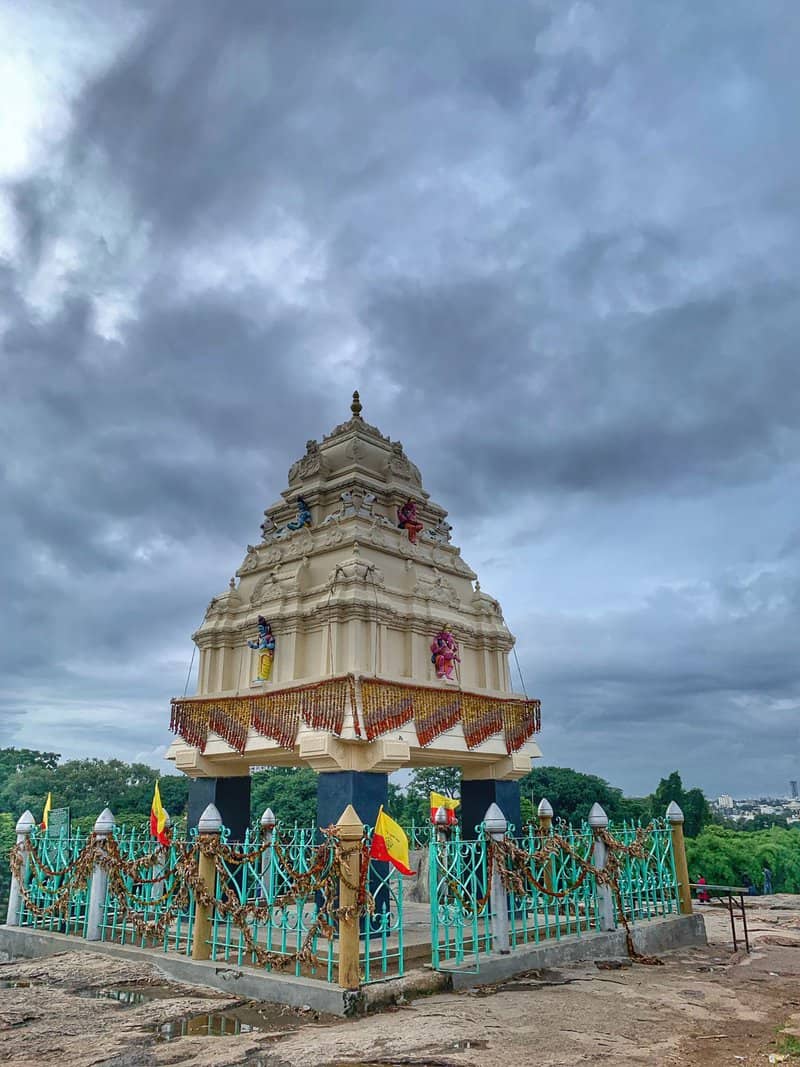
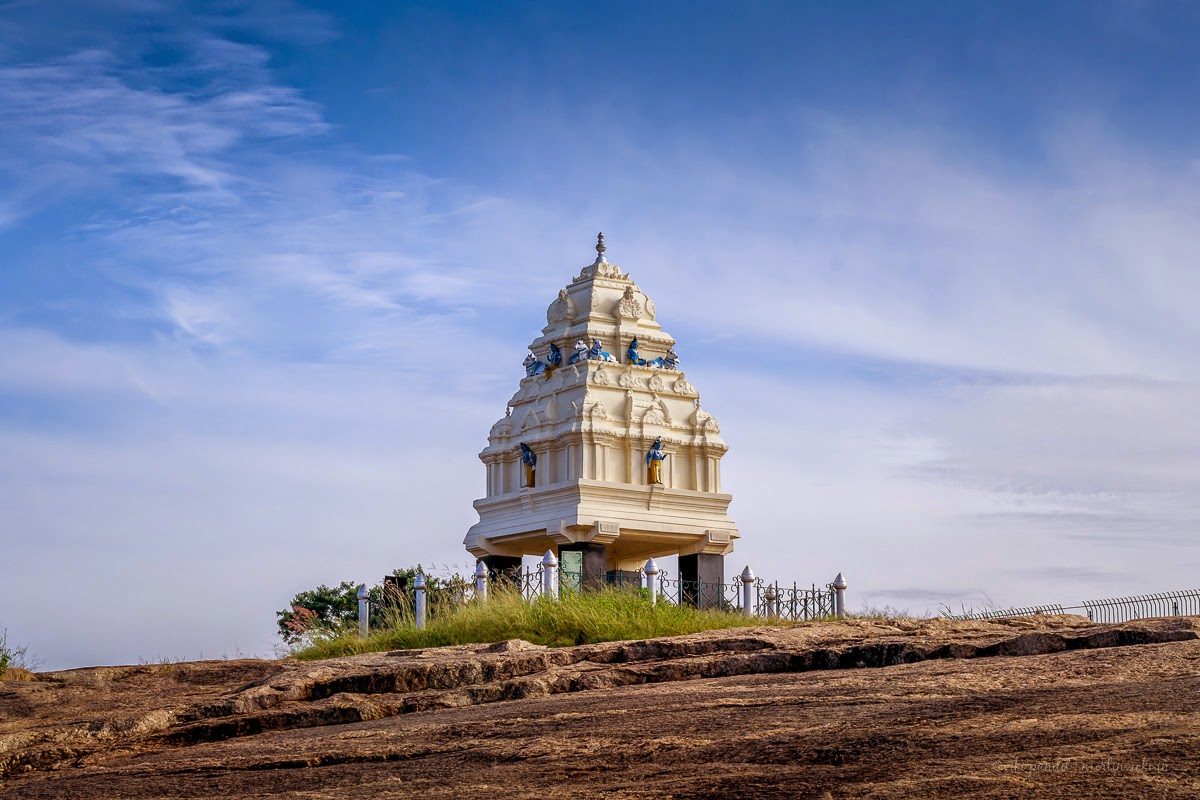
A granite outcrop over 3,000 million years old topped by a 16th-century watchtower, offering an elevated view over the garden canopy and city skyline beyond. Climb the rock path near the south side for the wide shot; the tower itself frames tighter portrait crops.
Rows of shaped miniature trees, some decades old, set on low display tables under filtered shade. Stand at the entrance path for a straight-on line of pots, or crouch for close macro detail on individual trunks.
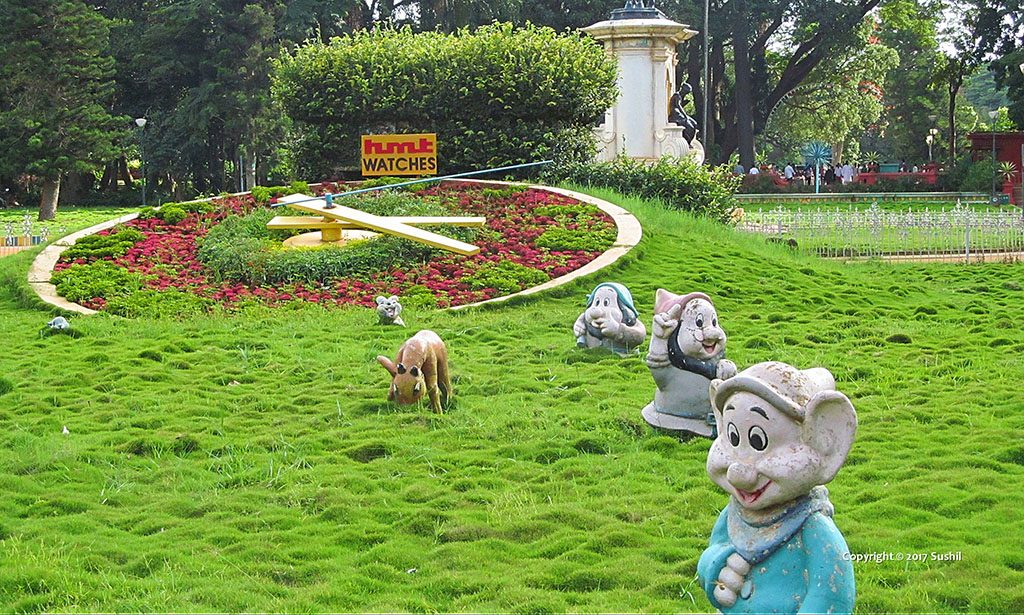
A working clock face roughly 7 meters wide, planted in seasonal blooms with Snow White and the Seven Dwarfs figurines beside it, near the garden entrance. Shoot from the low railing directly in front for a symmetrical clock-face composition with the figurines in the background.
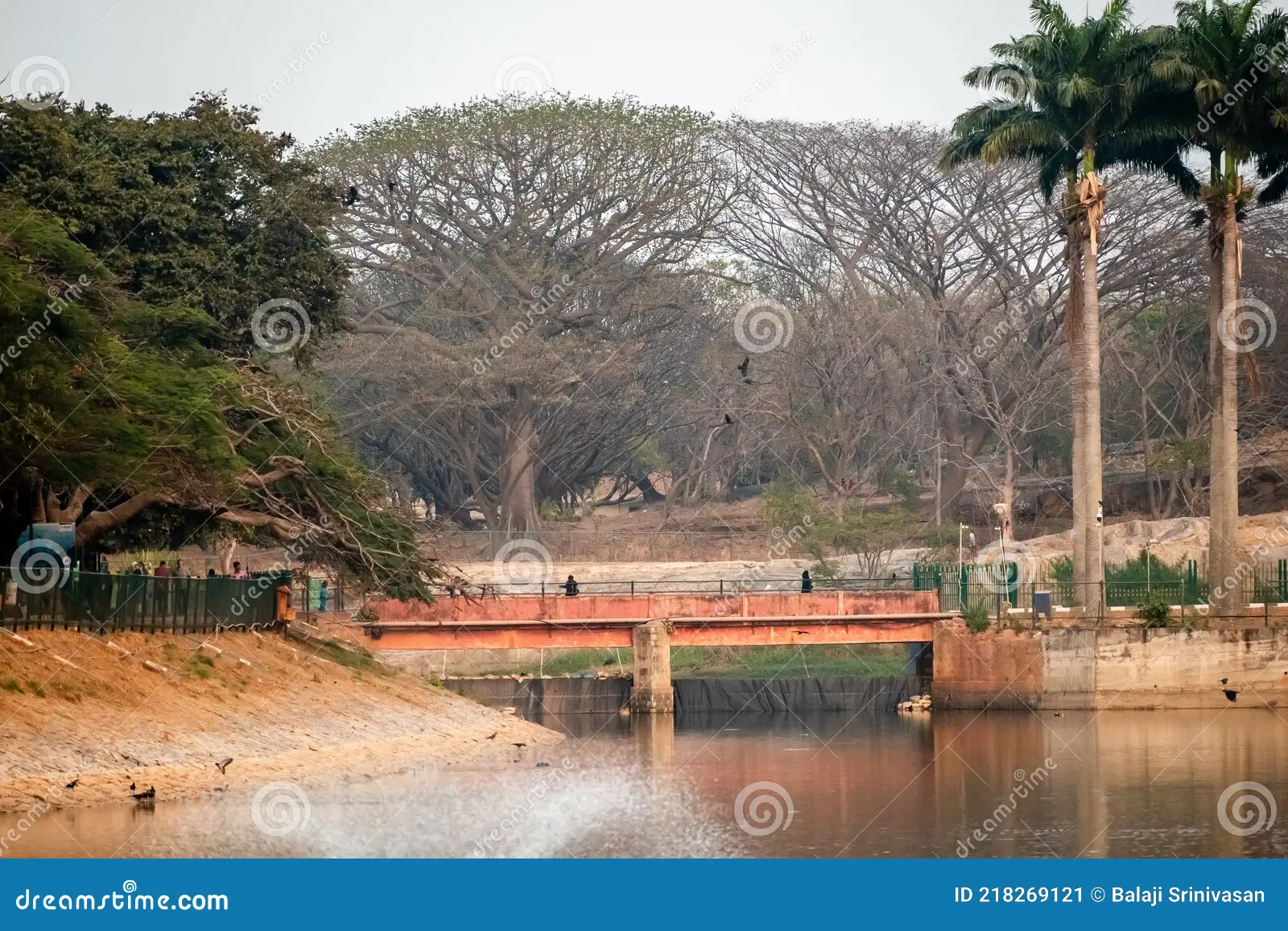
A footbridge crossing the southern lake toward a small island, with water reflections and tree cover on both banks. Center of the bridge gives the cleanest reflection shot, especially when the water is still.
A circular colonnaded pavilion set on raised ground amid open lawns, giving a clean architectural subject with garden greenery falling away on all sides. Shoot from the lawn below for full height, or climb the steps for a city-park panorama.
Lalbagh Botanical Garden Tickets are worth planning around when kids are along, since the 240-acre grounds cover far more ground than small legs can manage comfortably. Paved main paths suit strollers, but pacing and shade matter more than any single attraction here.
Main paved paths handle strollers fine, but smaller side trails near the rock and lake turn gravelly or uneven, so stick to the wider loops if you're pushing a buggy.
Toddlers to about age 10 enjoy the lake, Glass House, and rock climb most; older kids may want a faster Lalbagh Botanical Garden Tickets tour focused on the Peninsular Gneiss rock and floral clock.
Restrooms and drinking water points are spaced far apart and cluster near the main gates and Glass House, so use one whenever you pass it rather than waiting until a child asks.
Rent the electric buggy near the entrance for the long stretches between attractions; it covers most of the garden in under an hour and saves toddlers from meltdown-inducing walks in the heat.
The rock's uneven, sloped surface is manageable for kids over five with a hand held, but carry younger children rather than letting them scramble unsupervised.
The Glass House and covered walkways near it offer the best shelter if a monsoon shower hits during your Bengaluru garden visit.
Inside Lalbagh, dining stays casual: small kiosks near the gates sell juice, roasted corn, and quick chaat, so most people booking Lalbagh Botanical Garden Tickets plan their real meal for before or after the walk. The bigger draw sits just outside, on and around Lalbagh Road, where two Bengaluru institutions serve South Indian breakfast that regularly outlasts the garden visit itself in people's memories.
Scattered near the entrance gates, these sell sugarcane juice, buttermilk, and roasted corn; useful for a quick bite mid-walk but seating is minimal and lines build up after 9am.
Founded in 1924 a short walk from the main gate, MTR serves masala dosa, rava idli, and its unlimited thali; mornings before 11am get crowded with walkers finishing their Lalbagh Botanical Garden Tickets tour.
This 1943 Gandhi Bazaar landmark is known for benne masala dosa and filter coffee; arrive before 8am on weekends or expect a long wait for a shared table.
Real experiences from real travelers
Arrived just after the gates opened and the air was still damp from overnight rain, which made the whole avenue smell like wet earth and jasmine. Lalbagh Botanical Garden Tickets were quick to sort at the West Gate and we were inside within a couple of minutes. The rain trees near the bandstand are enormous, far bigger than photos suggest.
The Glass House is smaller than the Crystal Palace it copies, but the ironwork detail up close is lovely and the light inside at around 8am is soft and even. We walked the full lake loop afterwards and saw more birds than expected. A calm start before the Bengaluru traffic wakes up.
Grabbing Lalbagh Botanical Garden Tickets took no time at all, though the queue at the main gate built up quickly by 9am. The heat picked up fast so we stuck to the shaded avenues near the bonsai section. Bring water, there are taps but not many.
Climbing the peninsular gneiss outcrop is easy and the view over the treetops toward the city towers is the best part of the whole place. The stone still holds heat from the day so late afternoon is warm underfoot. One of the more grounding Bengaluru landmarks I have visited.
Most trees carry small plaques with botanical names, which made the walk feel like a slow museum. Lalbagh Botanical Garden Tickets tickets were straightforward and staff pointed us toward the lake path without being asked. The bamboo grove near the eastern side was almost silent apart from parakeets.
We joined one of the Lalbagh Botanical Garden Tickets tours and the guide knew the history of individual specimen trees, including a few brought in during the Hyder Ali and Tipu Sultan era. Two hours passed without noticing. The Kempegowda tower on the rock was a nice surprise at the end.
Bengaluru is chaotic and this is the antidote, a huge green block right in the middle of it. The lake was full of egrets and one lone pelican the morning we went. Sorting a Lalbagh Botanical Garden Tickets tour in advance saved us standing around at the gate.
Went on a Sunday and the lawns were packed with families, though the paths further from the Glass House stayed quiet. The silk cotton trees near the lake were shedding and the ground was covered in fluff. Lalbagh Botanical Garden Tickets are cheap enough that it is worth going twice on different days.
I spent most of a humid afternoon here and the canopy along the main avenue kept things bearable. Deodar cedars and mahogany trunks the width of a car. A Bengaluru garden tour that felt genuinely botanical rather than decorative.
We arrived around noon which was a mistake, hot and loud with school groups. The Glass House interior was more empty concrete than plants when we visited. Still, the lakeside stretch and the rock made the trip worthwhile.
Everything you need to know for your journey
Lalbagh Botanical Garden is open daily from 06:00 to 19:00, seven days a week including public holidays.
The entrance fee for a foreign national adult is 200 INR per person, payable at the Main Gate ticket counter.
The main avenues near the Main Gate, Lalbagh Lake, and Glass House are paved and manageable for wheelchairs, though some interior trails around the Rock are uneven.
Prohibited items include drones without clearance, outside plants or cuttings, alcohol, loudspeakers, and firecrackers, among others listed in the garden's visitor guidelines.
Yes, bags are permitted but subject to a visual check at the gate, especially during flower show periods; there is no cloakroom, so keep valuables with you.
Personal photography with phones and cameras is free throughout Lalbagh Botanical Garden; commercial shoots and drones require prior written permission.
Arriving between 09:00 and 11:00 offers cooler temperatures and fewer crowds than midday, right after the free walker hours end at 09:00.
There is no strict dress code, though comfortable casual clothing and closed shoes suit the garden's gravel paths and 240-acre grounds.
Outside food and drink for personal consumption is allowed, and refreshment stalls near the Glass House also sell snacks and juice.
The Green Line of Namma Metro stops at Lalbagh Metro Station, a short walk from the West Gate, making it the fastest way to reach the garden from central Bengaluru.
Yes, Lalbagh Botanical Garden Tickets tours suit families well, with paved lakeside paths and open lawns that are easy for children to explore.
Tickets are sold as walk-up passes at the gate with no reservation system, so the 200 INR entry fee is non-refundable once issued.
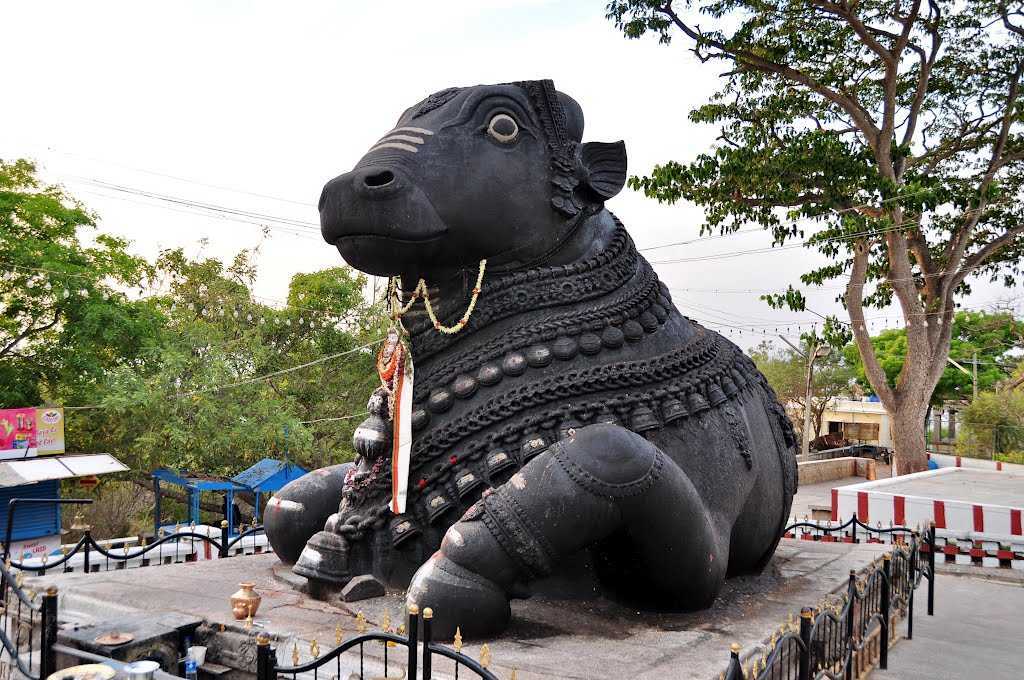
A 16th-century temple built by Kempegowda housing a large monolithic Nandi statue carved from a single granite block.
A rock-cut cave temple known for a rare sunlight alignment on Makar Sankranti each January.
A smaller neighborhood park in Basavanagudi popular with local morning walkers and joggers.
A traditional market area known for flower vendors, fruit stalls, and South Indian eateries.
A colonial-era hospital building known for its distinctive red-brick Indo-Saracenic architecture.
A residential and commercial neighborhood with a range of mid-range hotels close to Lalbagh's southern gates.
A traditional South Bengaluru locality offering budget lodges and homestays near the West Gate.
Bengaluru's central hospitality corridor with international luxury chains and easy metro access to Lalbagh.
A quieter residential pocket with smaller boutique stays convenient to Lalbagh's northern gates.
Join thousands of happy travelers who have discovered this incredible experience
Book Your Experience Now